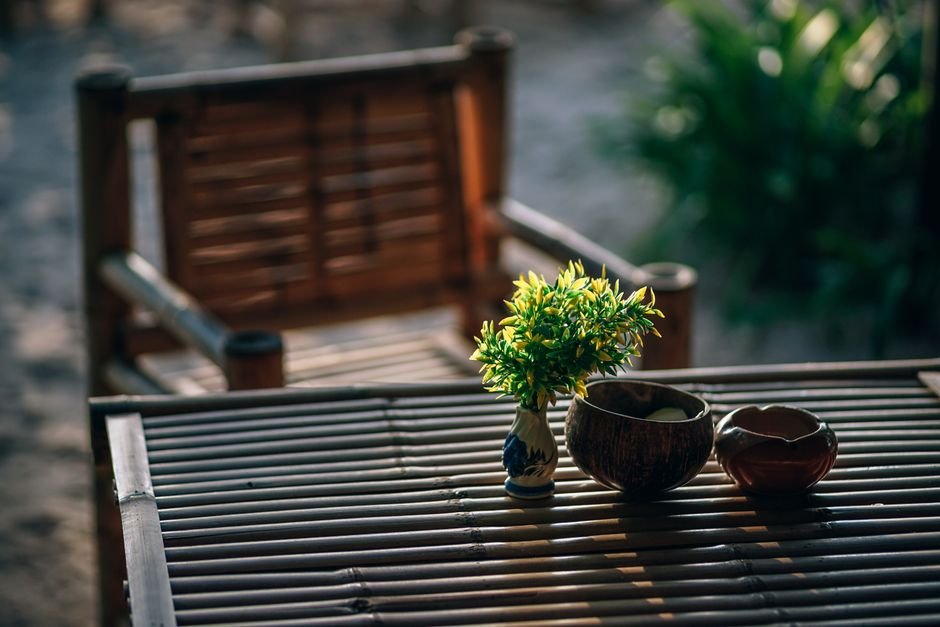
The short answer: teak is the single best wood for outdoor furniture if budget isn’t a concern, but western red cedar, white oak, and black locust are outstanding choices that cost a fraction of the price and are easier to find at most U.S. lumber yards. Here’s everything you need to pick the right species for your project.
This article contains affiliate links. We may earn a commission on purchases made through them, at no extra cost to you.
Quick Summary:
✅ Teak and iroko are the most durable exotic hardwoods, but they’re expensive and harder to source
✅ Western red cedar is the best beginner-friendly domestic softwood for outdoor projects
✅ White oak and black locust are the toughest domestic hardwood options for patio furniture
✅ Natural oil content is the single biggest factor in how long a wood lasts outdoors without treatment
✅ Always match your wood choice to your climate, what works in Arizona won’t necessarily work in Florida
—
Best Wood Species for Outdoor Furniture: Top Picks Ranked
Not all lumber handles the outdoors the same way. Rain, UV, humidity swings, and insects break down wood over time, and some species shrug all of that off for decades while others rot in a few seasons.
Here’s the honest ranking based on overall performance for outdoor furniture, weather resistance, durability, workability, and real-world availability:
| Wood Species | Durability | Rot Resistance | Insect Resistance | Maintenance Needed | Cost (Relative) | Availability |
|---|---|---|---|---|---|---|
| Teak | ⭐⭐⭐⭐⭐ | Excellent | Excellent | Low | $$$$$ | Specialty stores |
| Black Locust | ⭐⭐⭐⭐⭐ | Excellent | Very Good | Low | $$ | Regional (East/Midwest) |
| White Oak | ⭐⭐⭐⭐ | Very Good | Good | Low, Medium | $$$ | Widely available |
| Iroko | ⭐⭐⭐⭐ | Excellent | Good | Low | $$$$ | Specialty stores |
| Redwood | ⭐⭐⭐⭐ | Very Good | Good | Low, Medium | $$$ | West U.S. |
| Western Red Cedar | ⭐⭐⭐⭐ | Good | Moderate | Medium | $$ | Widely available |
| Cypress | ⭐⭐⭐⭐ | Very Good | Moderate | Medium | $$ | South U.S. |
| Acacia | ⭐⭐⭐ | Good | Moderate | Medium | $$, $$$ | Growing availability |
| Eucalyptus | ⭐⭐⭐ | Good | Moderate | Medium | $$, $$$ | Specialty stores |
| Mahogany | ⭐⭐⭐ | Good | Good | Medium | $$$$ | Specialty stores |
This table is your cheat sheet. Keep it bookmarked.
—
Hardwoods vs. Softwoods for Outdoor Use: Which Holds Up Better?
There’s a common misconception worth clearing up right away: hardwood doesn’t automatically mean “better for outdoors.” The label just refers to the tree type, hardwoods come from deciduous trees, softwoods from conifers.
Why Hardwoods Generally Win Outdoors
Most thick strong hardwoods, like teak, white oak, and black locust, have denser cell structures. That density makes them harder for water to penetrate and harder for insects to chew through. In raw durability tests, hardwoods consistently outlast softwoods when left without treatment.
But here’s the thing: density also means harder to cut, harder to sand, and tougher on your saw blades.
When Softwoods Make More Sense
Softwoods like western red cedar and redwood aren’t as dense, but they carry natural oils that give them serious rot resistance. They’re also much lighter, better for furniture you want to move around, and far easier to work with hand tools.
For a beginner building their first set of outdoor chairs or outdoor benches, a quality softwood is often the smarter call.
—
How to Choose: Key Factors (Oil Content, Rot Resistance, Weather Resistance)
Before you buy a single board, understand these three things. They’ll save you money and years of frustration.
Natural Oils and High Oil Content
High oil content is the closest thing to a superpower in outdoor wood. The oils act as a built-in moisture barrier, slowing water absorption and inhibiting the fungi that cause rot.
Teak has the most famous example of this, its natural oils make it nearly self-sustaining outdoors. Black locust and cypress also carry impressive natural oil and resin content that gives them serious longevity even in damp conditions.
Woods with low oil content, like pine or elm, depend almost entirely on applied finishes to survive outdoors.
Rot Resistance: What It Really Means
Rot resistance is rated by how long untreated heartwood lasts in direct ground contact. Top-rated species like teak, black locust, and Alaskan yellow cedar can last 20+ years in harsh conditions. Lower-rated species might start showing decay in 2-5 years.
For garden furniture and patio furniture that isn’t touching soil, any of the top 6 species in the table above will perform well, especially with periodic finishing.
Weather Resistance and Dimensional Stability
This is about how the wood moves. All wood expands when wet and contracts when dry. Species that move a lot crack at joints, warp boards, and eventually fall apart.
White oak and teak both have outstanding dimensional stability, they barely move compared to softer, more porous woods. That’s a big reason they show up in high-end outdoor furniture year after year.
—

Foto: Pixabay via Pexels
Domestic Wood Options for Outdoor Furniture (Cedar, White Oak, Cypress, Redwood, Black Locust)
You don’t need to spend a fortune importing exotic lumber. The U.S. has some genuinely excellent domestic wood options, and knowing which ones are available in your region can save you a lot of time.
Western Red Cedar: The Best All-Around Beginner Choice
Western red cedar is the go-to for most DIY builders, and for good reason. It’s lightweight, it cuts cleanly, and it has enough natural rot resistance to handle most outdoor conditions without constant babysitting.
It does gray over time when left unsealed, but that’s a cosmetic issue, not a structural one. A coat of exterior-grade finish once a year or two keeps it looking sharp. Widely available at big-box stores across the country.
White Oak: The Domestic Hardwood Champion
White oak is the most underrated domestic hardwood for outdoor projects. Its cells contain structures called tyloses that physically block moisture from moving through the grain, the same reason it’s used for whiskey barrels.
It’s heavier than cedar and slightly harder to work, but the payoff is a dense, durable wood that holds screws well and resists rot for decades. Available at most hardwood dealers nationwide.
Cypress: The South’s Best-Kept Secret
If you’re in the southern states, Louisiana, Mississippi, Florida, the Gulf Coast, cypress is everywhere and it’s phenomenal for outdoor use. Old-growth cypress in particular has exceptional rot resistance thanks to a compound called cypressene in its heartwood.
New-growth cypress is still good, just not quite as rot-resistant as the old-growth stuff. Still miles ahead of pine. Great for garden furniture and outdoor benches in humid climates.
Redwood: West Coast’s Premium Softwood
Redwood is to the western U.S. what cypress is to the South, regionally abundant and naturally built for the outdoors. Its tight grain and natural tannins make it resistant to rot, insects, and warping.
The downside: it’s increasingly harder to find outside California and the Pacific Northwest, and prices have climbed. If you’re on the West Coast and can source it affordably, it’s an excellent choice. For everyone else, cedar is a more practical alternative.
Black Locust: The Sleeper Pick That Outperforms Everything
This one surprises people. Black locust is a domestic hardwood that rivals teak in rot resistance, some research suggests it outlasts even treated lumber in ground contact. It’s incredibly dense and hard, naturally resistant to insects, and grows abundantly in the eastern U.S. and Midwest.
The catch: it’s harder to find at mainstream lumber yards, and its hardness means you’ll need sharp tools and some patience. But if you can source it, black locust makes some of the longest-lasting outdoor benches and furniture pieces you’ll ever build.
If you’re serious about building furniture that lasts, whether you’re just starting out or have built dozens of projects, getting your hands on a solid woodworking resource can make a real difference. This guide covers techniques and material decisions that are especially useful when working with harder domestic species like black locust and white oak.
Alaskan Yellow Cedar and Spanish Cedar
Alaskan yellow cedar deserves a special mention. It’s denser and more durable than western red cedar, with stronger natural oils and better insect resistance. It’s less common at big-box stores but worth seeking out from specialty lumber suppliers if you want a step up from standard cedar.
Spanish cedar, despite the name, isn’t always Spanish or always a true cedar, but it’s lightweight, aromatic, and carries natural oils that resist insects well. It’s mostly used in the South and Southeast where it’s more readily available.
—
Exotic and Premium Woods for Outdoor Projects (Teak, Iroko, Acacia, Eucalyptus, Mahogany)
Want the absolute best? These species are what high-end patio furniture brands use. They cost more, but the longevity backs it up.
Teak: The Gold Standard for Outdoor Furniture
Nothing beats teak for raw outdoor performance. It has the highest natural oil content of any commonly used furniture wood, exceptional rot resistance, strong insect resistance, and remarkable dimensional stability.
Teak furniture left completely untreated will age to a beautiful silver-gray and still last 50+ years. Treated with teak oil, it keeps its warm golden color indefinitely.
The problem is cost. Teak is one of the most expensive lumber options on the market, and sustainably sourced teak, which you should insist on, costs even more. It’s also heavy and can dull blades quickly because of silica deposits in the grain.
Worth it for a statement piece. Probably overkill for a basic garden bench.
Iroko: Teak’s More Affordable Cousin
Iroko is an African hardwood that performs similarly to teak outdoors, high durability, good natural oils, and solid weather resistance, at a noticeably lower price point. It’s not quite as oil-rich as teak, so it benefits more from periodic sealing.
Iroko is gaining popularity in the U.S. as teak prices rise. Worth considering if you want exotic hardwood performance without the full teak price tag.
Acacia: Beautiful but Needs Some Attention
Acacia is a dense, attractive hardwood with a tight grain and moderate natural oil content. It handles outdoor conditions reasonably well, especially in drier climates.
In consistently wet or humid regions, acacia needs more maintenance than teak or iroko, annual sealing and occasional oiling keeps it from checking and splitting. For wood for outdoor use in milder climates, it’s a solid mid-range choice with a gorgeous grain that photographs beautifully.
Eucalyptus: The Sustainable Middle Ground
Eucalyptus grows fast, much faster than teak, which makes sustainably sourced eucalyptus a more environmentally responsible option. Its density and hardness are comparable to some tropical hardwoods.
Durability is good but not exceptional without treatment. Apply a quality exterior finish and eucalyptus furniture holds up well for many years. Increasingly common in ready-to-assemble patio furniture sold at retailers.
Mahogany: Classic, But Choose the Right Kind
True mahogany (Swietenia species) is a beautiful cabinet-quality hardwood with decent natural durability outdoors. It’s been used in high-end furniture for centuries.
One caveat: much of what’s sold as “mahogany” in the U.S. today is actually African mahogany or a related species. Performance varies. If you’re sourcing mahogany for outdoor use, ask specifically about its rot resistance rating and make sure it’s properly sealed properly before exposure to the elements.
—

Foto: ready made via Pexels
Finishing and Sealing: What Each Wood Needs to Last Outdoors
Here’s where a lot of DIY projects go wrong. People pick the right wood and then skip the finishing step, or use the wrong product.
Which Woods Can Go Unsealed
- Teak: Can go fully untreated outdoors. No finish required. Will gray naturally.
- Black Locust: Naturally durable enough to go unsealed in most conditions.
- Alaskan Yellow Cedar: Can handle outdoor exposure without finish, though UV protection helps.
Which Woods Strongly Benefit from Sealing
- Western Red Cedar: A UV-blocking exterior finish or penetrating oil annually prevents graying and extends life significantly.
- Cypress: Sealing new-growth cypress with an exterior-grade finish every 1-2 years dramatically improves performance.
- White Oak: An exterior penetrating oil or film finish every 2-3 years keeps it protected without overdoing it.
- Redwood: Responds well to a penetrating finish rather than a film-building one, lets the wood breathe.
Which Woods Require Regular Sealing
- Acacia: Needs annual sealing in humid climates. Every 2 years in dry climates.
- Eucalyptus: Apply a quality exterior finish before first outdoor use, then reseal every 1-2 years.
- Mahogany: Always seal before outdoor exposure. Reapply every year or two.
The Finishing Rule That Saves Everything
Whatever species you choose, use a product specifically labeled exterior grade finish, not interior varnish, not general-purpose stain. Interior finishes break down fast outdoors and can actually trap moisture against the wood.
For flat sawn lumber specifically, pay extra attention to end grain sealing. End grain absorbs moisture like a sponge, and leaving it bare is the fastest way to start the rot process.
If you’re still figuring out which finishing products and techniques work best for your specific wood choice, this woodworking resource breaks it all down with clear, practical guidance for both beginners and experienced builders.
—
Who Should Use Which Wood: Recommendations by Profile
Not everyone is building the same thing or has the same budget. Here’s a fast decision guide:
Beginner DIYer, limited budget:
- Start with western red cedar. It’s forgiving, widely available, and affordable. Seal it once and you’re set for years.
Beginner, willing to invest more:
- Try white oak or cypress (depending on your region). Both are significantly more durable than cedar and still workable with standard tools.
Experienced builder, premium project:
- Teak or iroko for maximum longevity. Black locust if you want domestic performance that rivals exotic hardwoods.
Humid climate (Southeast, Gulf Coast, Pacific Northwest):
- Cypress (South), redwood or Alaskan yellow cedar (Pacific Northwest), teak or iroko anywhere if budget allows.
Dry climate (Southwest, high desert):
- Almost any species performs well. Acacia and eucalyptus shine here without the intensive maintenance they need in wetter regions.
Best wood for outdoor furniture without painting:
- Teak, black locust, or western red cedar, all look great with just a clear penetrating oil or left natural.
For anyone building outdoor chairs, outdoor benches, or full patio furniture sets, taking the time to match wood to climate and use case is what separates furniture that lasts a season from furniture that lasts a lifetime.
Ready to take your outdoor woodworking skills to the next level? Check out this complete woodworking guide, it covers everything from species selection to joinery techniques that actually hold up outdoors.
—

Foto: Pavel Danilyuk via Pexels
FAQ: Best Wood for Outdoor Furniture
Which wood species is easiest to work with for a beginner making outdoor furniture?
Western red cedar is the top pick for beginners. It’s lightweight, cuts cleanly, and is available at virtually every big-box lumber store in the U.S. Its natural rot resistance means a basic finish is enough to protect it for years.
Do I need to seal cedar or teak before using them outdoors?
Cedar benefits from an exterior-grade finish to slow UV graying, but it will survive without one. Teak, thanks to its high oil content, can go completely unsealed for years, most owners apply teak oil once a year just to preserve the golden color.
How long will outdoor furniture made from white oak last without treatment?
White oak can last 10 to 20 years outdoors with minimal maintenance, thanks to its tyloses structure that naturally blocks moisture. An exterior penetrating finish every 2-3 years can push that lifespan considerably further.
Is acacia a good choice for outdoor furniture in humid climates?
Acacia handles humidity reasonably well thanks to its dense grain. In consistently wet climates, though, it needs an exterior-grade finish applied annually to prevent checking and splitting. In drier regions, it performs well with less maintenance.
What is the most affordable wood option for outdoor DIY furniture projects?
For untreated natural wood, western red cedar offers the best value, solid rot resistance, wide availability, and a price well below exotic hardwoods. Pressure-treated pine is cheaper, but many builders prefer cedar for furniture because it takes finish better and looks nicer.
How does redwood compare to cedar for outdoor furniture durability?
Redwood edges out cedar in raw rot resistance and dimensional stability. The tradeoff: redwood is harder to source outside the western U.S. and costs more. For most builders outside California, western red cedar is the more practical choice with nearly the same performance.
📌 Enjoyed this content?
Mark diyfurnitureplans.com as your preferred source on Google and get more content like this directly in your searches.
Leave a Reply